

Moving East-to-West
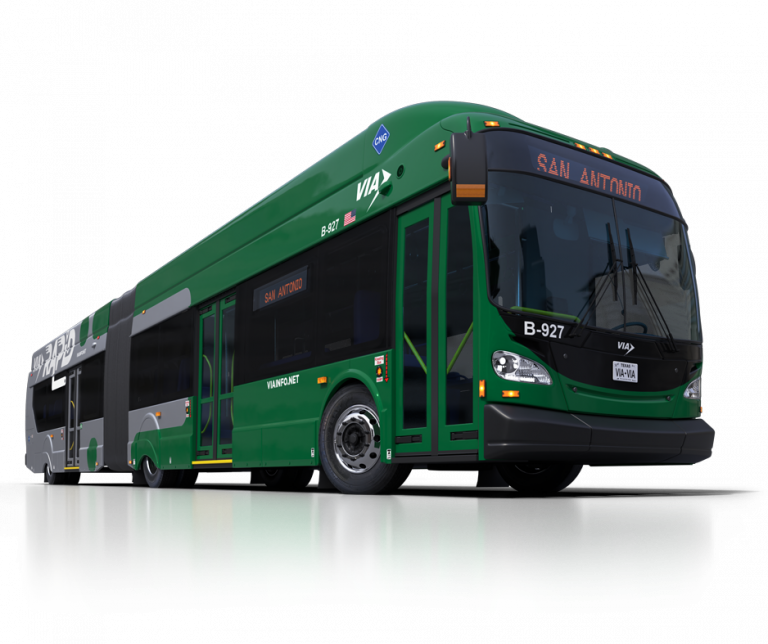
VIA Rapid Silver Line will make travel more efficient and bring much-needed accessibility improvements for riders traveling east-west across the city.
About the Silver Line
Construction Project Scope
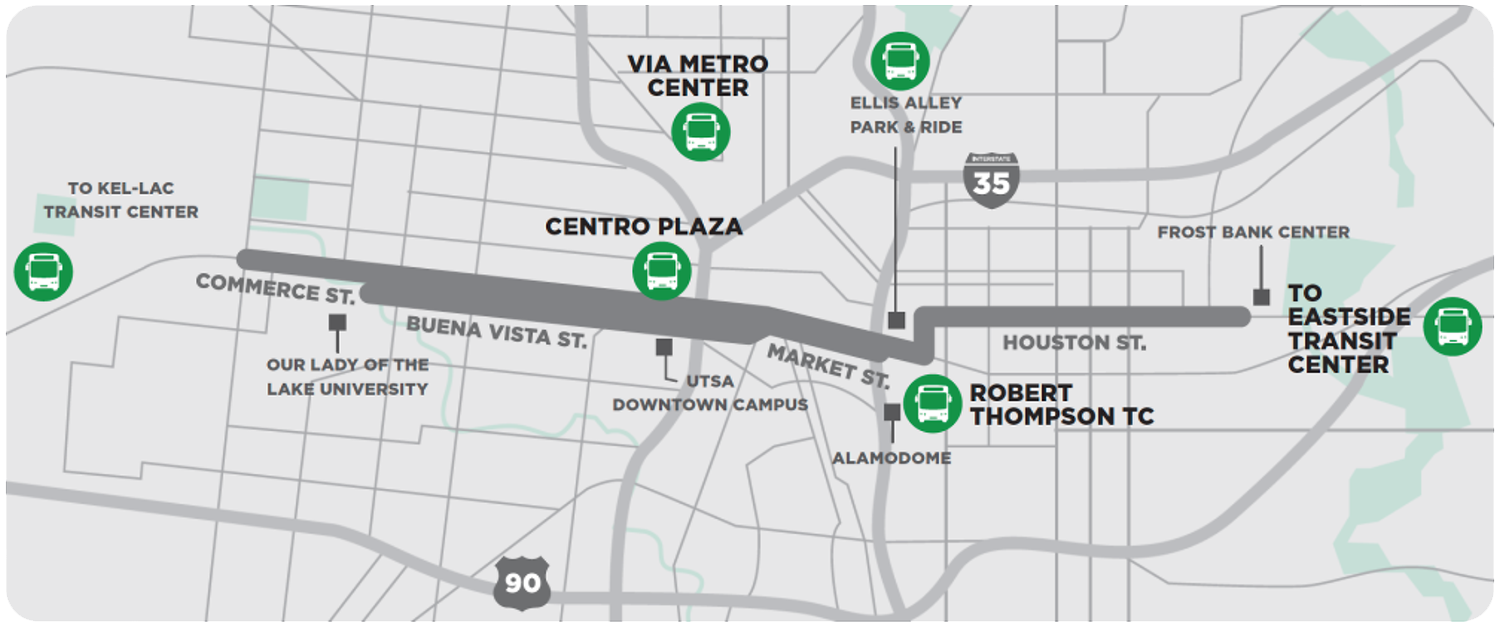
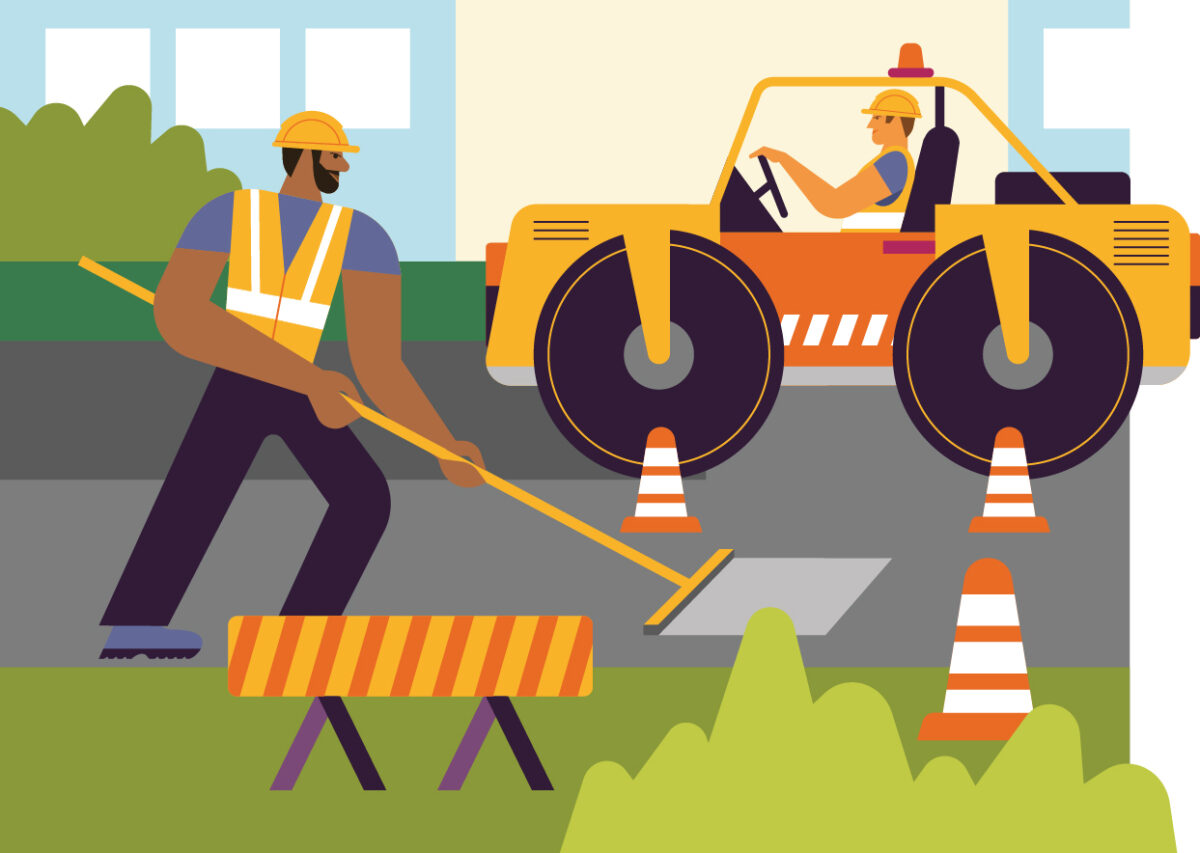
The project scope includes widening streets at certain locations to accommodate transit stations, signal improvements, and upgrading some public infrastructure, including sidewalks, pedestrian ramps, utilities, and signals. In some instances, the scope includes upgrading private property driveways to match street grades.
Current Project Status
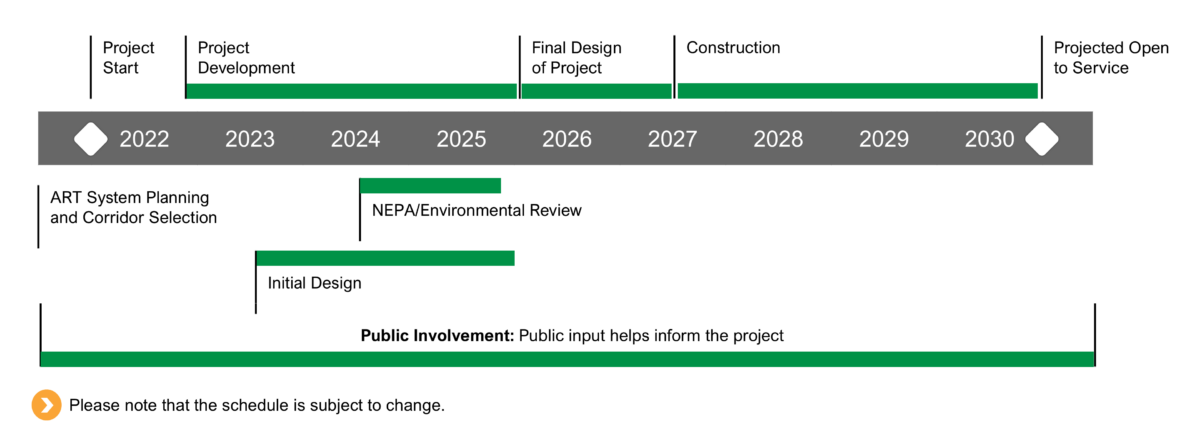
The Silver Line project is currently progressing toward 70% design. Engagement with community members and stakeholders remains an important part of the process as the project’s design, station locations and construction planning are finalized.
Next Steps
VIA will be accessing properties within the project boundaries to conduct surveys and appraisals.* Based on the information obtained and the project scope and design, two types of acquisitions will be required:
- Temporary Acquisition of Easements for Construction Activity — These are known as temporary construction easements (TCE). Depending on the project scope at the property, VIA will require access to a property adjacent to the public right-of-way for construction. This will include construction easements for sidewalk and driveway improvements.
- Permanent Acquisition for Public Improvements — VIA will need to acquire narrow sections adjacent to the right-of-way for public improvements and the work within the project scope. This will include street widening where stations will be located, upgrading traffic signals and improving pedestrian ramps at street intersections.
*A Right of Entry Notification Letter was sent to property owners in February 2026.
For any questions regarding the real estate process, please contact VIA Real Estate at [email protected] or dial (726) 234-3811.
Enhancing Mobility for Everyone
The Silver Line brings high-quality, modern public transit that’s more comfortable and accessible to San Antonio’s East and West sides.
Silver Line plans include improvements to enhance travel for riders, pedestrians, motorists, and cyclists along the corridor.

Supporting Equitable Growth and Development
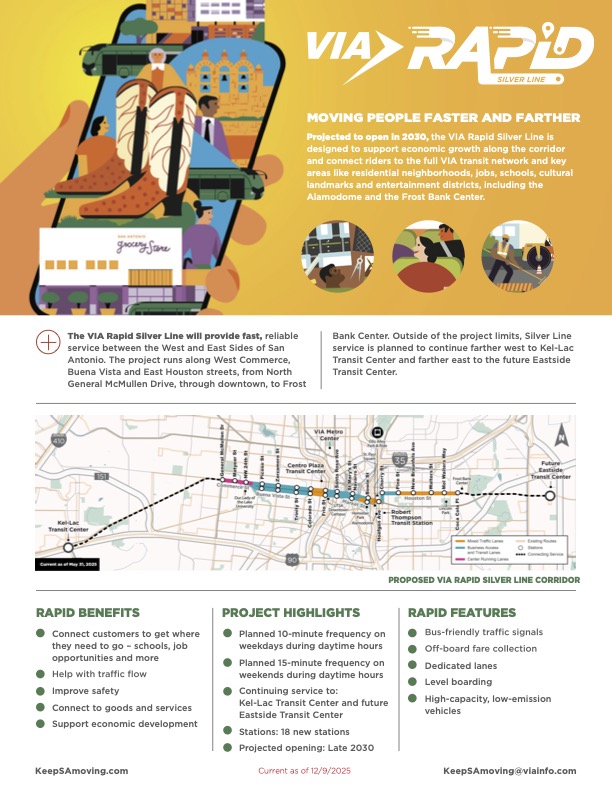
The VIA Rapid Silver Line will support access to opportunity and economic development along the Silver Line corridor by connecting key residential areas, job centers, schools, cultural landmarks, and entertainment districts.
Community Conversations
VIA hosted a series of Community Conversations in June 2025.
Click below to access the materials shared at these events.
Moving People Faster and Farther
Driven by Community Input
VIA is committed to engaging with the community members and organizations as we continue to develop the VIA Rapid Silver Line and other Keep SA Moving projects.
View upcoming events, or explore our engagement library to find past meeting materials.
Visit Our ART Project Office
Visit our project offices to learn more as we finalize Silver Line plans.
Silver Line Timeline
Silver Line Downloads
- August 2026 Public Meeting Boards - English
- August 2026 Public Meeting Boards - Spanish
- Silver Line June 2025 Virtual Meeting
- Community Conversations - June 2025
- Community Conversations - September 2024
- VIA Silver Line Comment Response Matrix - September 2024
- VIA Rapid Silver Line Booklet - September 2024
- VIA Rapid Silver Line Booklet Spanish - September 2024
- Community Conversations Summary Report - February 2024
- January 2024 Public Meeting Notice, Express-News
- January 2024 Public Meeting Notice, SA Observer
- January 2024 Public Meeting Notice, La Prensa
- January 2024 Public Meeting Notice, Direct Mail
- January 2024 Community Conversations Presentation
- January 2024 Community Conversations Presentation - Spanish
- January 2024 Public Meeting Boards
- January 2024 Public Meeting Boards - Spanish
August 2026
June 2025
- VIA ART: Silver Line General McMullen (24MB)
- VIA ART: Matyear Street to 24th Street (22MB)
- VIA ART: Picoso Street (25MB)
- VIA ART: Rosillo Street to Trinity Street (25MB)
- VIA ART: Colorado St. (23MB)
- VIA ART: Frio Street (21MB)
- VIA ART: Main Street to Bowie Street (29MB)
- VIA ART: Bowie Street to Hoefgen (38MB)
- VIA ART: Cherry Street to Pine Street (30MB)
- VIA ART: New Braunfels Street (24MB)
- VIA ART: Walters Street to Mel Waiters Way (24MB)
- VIA ART: Frost Bank Center (18MB)
September 2024
January 2024
Item #5
- Documented Categorical Exclusion
- Appendix A Project Location Map
- Appendix B Community Impacts Analysis Report
- Appendix C Traffic Operations Analysis Report
- Appendix D Air Quality Analysis Report
- Appendix E Aboveground Historic Resources Survey Report
- Appendix F Archaeological Desktop Overview
- Appendix G Archaeological Construction Monitoring and Inadvertent Discovery Plan
- Appendix H Phase I Environmental Site Assessment
- Appendix I Noise and Vibration Impact Assessment Report
- Appendix J Natural Resources Report
Frequently Asked Questions
What is a Temporary Construction Easement (TCE)?
A temporary construction easement (TCE) is a legal agreement between a landowner and VIA, granting VIA’s contractors, consultants or others working on VIA’s behalf or temporary use of a designated area for project-related construction activities. The agreement will include a start and end date, and the area will revert to the landowner at the end of the term. Like a lease, the landowner is compensated for VIA’s use of the area, and the area will be restored to the same condition as near its prior condition, as is reasonably practicable. On the Silver Line, TCEs will be applied to some sidewalk and driveway improvements.
How will property owners know if their property is subject to temporary or permanent acquisition?
Property owners will receive an Appraisal Introductory Letter or be contacted directly by VIA’s consultant, Contract Land Staff, which is conducting negotiations on VIA’s behalf. Property owners will be contacted to negotiate compensation for temporary construction easements and/or permanent acquisitions.
Do property owners need a lawyer?
Obtaining a lawyer is an option but not a requirement. The VIA Real Estate team is committed to a fair acquisition process. An independent appraiser will be hired by VIA for an impartial transaction.
Will the project decrease property values?
Historically, increased and improved transit options have not had a negative effect on property values. Projects like the Silver Line increase frequency and decrease the number of stations along the corridor to move people faster, often from residential areas to commercial corridors.
Will property owners be compensated?
If property acquisition or easements are required, compensation would be determined in accordance with applicable laws, regulations and appraisal processes.
Any required property acquisition would follow applicable federal and state regulations, including independent appraisals and established acquisition procedures intended to ensure fair compensation.
Will anyone lose access to their property or business?
The project team is working to minimize acquisitions, where possible, so that property owners would maintain reasonable access to their properties.
What is the right-of-way acquisition process?
Right-of-way acquisition is the process of identifying which parts of property, adjacent to the right-of-way, that VIA needs for the project and working with landowners to obtain their permission. Not every property will be affected. If your property will be affected, however, you will be notified during the planning process. VIA must follow all federal and state regulations related to the purchase of a property.
How many properties will be affected?
VIA is seeking to minimize the number of properties that will be affected. The VIA Rapid Silver Line may require additional property impacts, and VIA is working to keep those impacts as limited as possible.
What legal authority does VIA have to acquire property, either permanently or temporarily?
VIA has the legal authority under Texas law to acquire property or property rights needed for public transportation projects, including permanent easements, temporary construction easements, or, in limited cases, property acquisition. VIA will work directly with property owners to reach voluntary agreements whenever possible and seeks to minimize impacts through project design. If an agreement cannot be reached, Texas law provides a process for acquiring property for a public purpose while ensuring property owners receive due process and just compensation.